

What is Cord Blood?
Umbilical cord blood is blood taken from the umbilical cord of a newborn baby, and is an embryonic cell that is progenitor cell, so that it can be transformed into other cells. Another characteristic of umbilical cord blood is hematopoietic cells, which are capable of transforming into all types of blood cells. In its development, cells in the umbilical cord blood can turn into all kinds of cells when placed in tissue or other organs. In addition it can be processed into mesenchymal stem cells. In other words, these cells can turn into blood cells, nerve cells, skin cells, and are also able to reproduce and produce other cells with limited ability. This ability has led many medical researchers to use umbilical cord blood to cure more than 80 deadly diseases such as cancer, stroke, heart disease, and many other diseases.
Difference between Cord Blood and Stem Bone Marrow stem cells
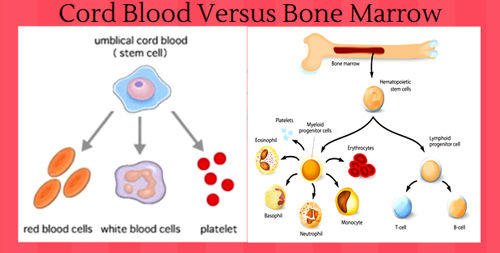
Before cord blood, previously stem cells are processed from the spinal cord to cure various diseases. But stem cells from cord blood have several advantages and disadvantages when compared to stem cells from the spinal cord. Before deciding whether you and your child will store your child's umbilical cord blood, you should first look at the following advantages and disadvantage.
Advantage of using cord blood Stem cells
Transplantation of stem cell therapy from the spinal cord requires a 100% compatibility rate to avoid fatal side effects such as a decrease in the immune system. But cord blood transplant therapy does not require a 100% compatibility rate, so cord blood can be used for more types of patients.
The requirement for spinal cord stem cells to match 100% between the donor and recipient makes the process of finding a donor bone marrow stem take a long time. Whereas patients who needs a transplant usually need medical treatment as soon as possible.



2019 Vinski Stemcell Centre. All rights Reserved.